
Frontend Development
Custom frontends for complex digital applications and services
jambit develops frontends that bring together user requirements, frontend architecture and technical implementation with backend systems, APIs and existing software landscapes. The result is digital applications that work reliably and can be continuously developed over the long term.

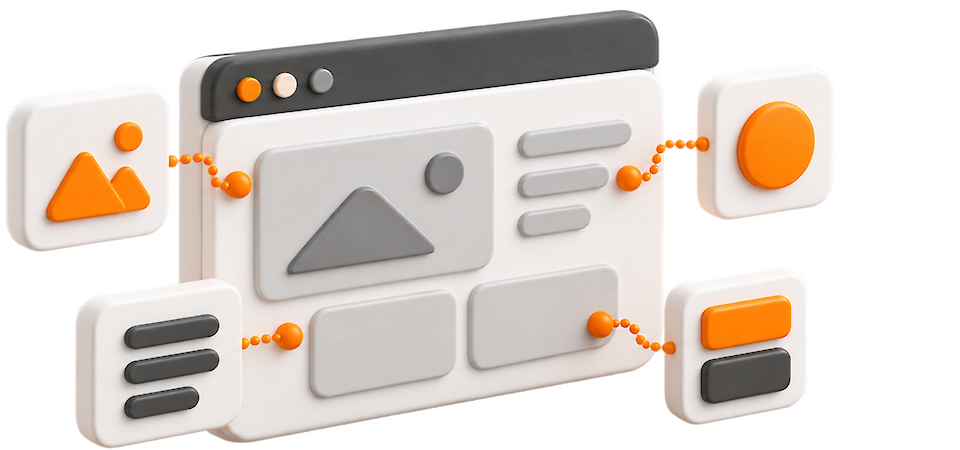
The frontend connects users with the digital system
The frontend is the interaction layer of a digital application. It makes functionality, data and processes accessible to users and translates business requirements into a technically viable user interface.
A good frontend does not exist in isolation. User requirements and interaction concepts need to work together with the frontend architecture, backend services and interfaces.
That is why frontend development at jambit does not start with choosing a framework.
What matters is which tasks the application needs to support, which data and functionality are required, and how the overall system needs to evolve over the long term.
From requirements to frontend architecture
The more complex a digital application becomes, the greater the impact of its frontend architecture on how effectively it can be developed, tested and continuously improved over the long term.
That is why jambit derives the technical structure from the application requirements, the existing system landscape and the expected need for change.
Structuring complex applications in a manageable way
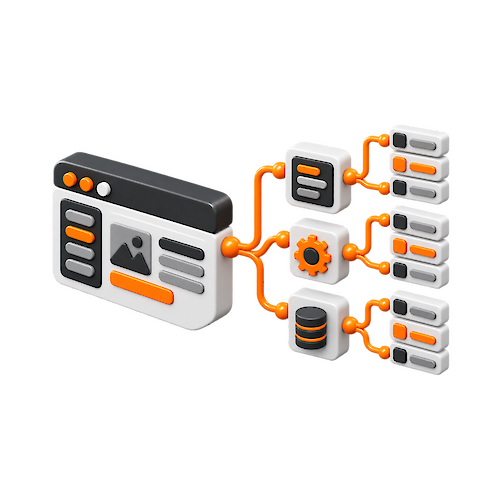
Clear components, responsibilities and technical boundaries help to organise expanding functional scope in a transparent manner and implement changes in a targeted way.
jambit structures frontends in such a way that individual functions work together effectively and the application remains scalable even as complexity increases.
Choose the right architectural approach
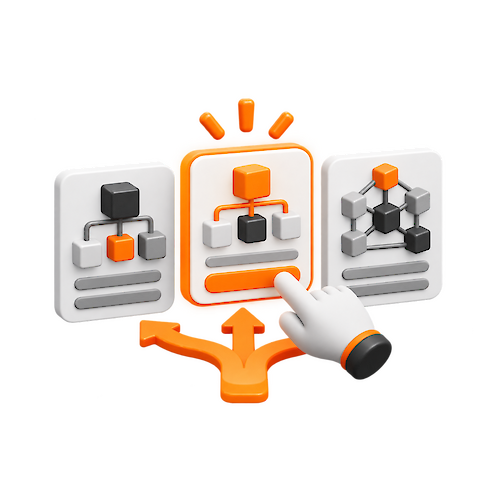
Single-page applications, micro-frontends and web components can offer different advantages depending on the application. What matters is not the approach itself, but whether it fits the size of the application, the system structure and the way development is organised.
jambit evaluates these options in their specific context and uses them to design a frontend architecture that fits the individual starting point.
Ensure long-term adaptability
Frontend architecture needs to support more than current requirements. It should also make it possible to evolve functionality, user interfaces and connected systems without creating unnecessary dependencies.
That is why jambit considers maintainability, extensibility and ongoing technical development from the very beginning.
Frontend engineering throughout the development process
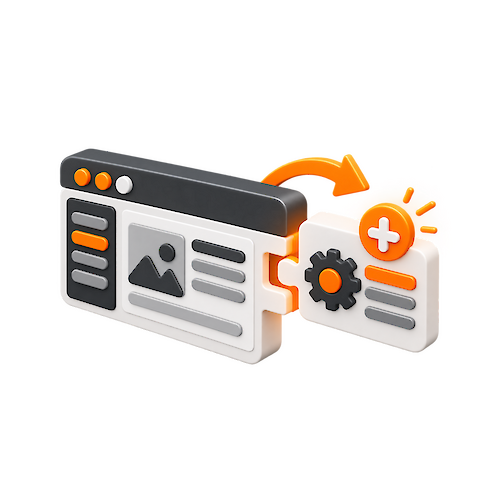
A robust frontend architecture needs to be translated into a production-ready application. To achieve this, jambit brings together user requirements, technical implementation, integration and quality assurance throughout the development process.




Web applications for different usage contexts
Frontend engineering is used across a wide range of digital applications – from customer-facing services to complex internal applications. What matters is that functionality and user interfaces are tailored to the specific usage context and work reliably across different devices.
Complex web applications
jambit develops browser-based applications for complex functionality, data and business processes. These include digital services, portals, back-office applications and interactive business applications.
Frontend, backend and connected systems are considered as one integrated software solution.
Responsive experiences across different devices
Digital applications are used across different screen sizes and devices. Frontends therefore need to adapt interactions, information structures and functionality to different usage contexts.
jambit considers these requirements from the outset in both design and technical implementation.
Web technologies beyond the browser
Depending on the application, web technologies can also be used for cross-platform or desktop-like scenarios. Whether this approach is appropriate depends on the required functionality, the system environment and the requirements for long-term development.
Frontend Development in Practice
Our projects demonstrate a wide range of frontend engineering requirements – from modular platform frontends and complex business applications to digital media services.



Frontend Engineering im Zusammenspiel mit weiteren Leistungen
Frontend development is often part of a larger software project. Which service area takes centre stage depends on the specific starting point.
Custom Software Development
When a new digital application or specific digital capability needs to be developed as a custom solution.
Learn more about Custom Software Development
Application & Legacy Modernisation
When an existing frontend needs to be technically modernised, restructured or made easier to evolve and enhance.
Application Integration & API Engineering
When the primary challenge is how the frontend interacts with backend systems, platforms, data sources or external services.
Frontend Development in Specific Solution Contexts
Frontend engineering is part of a wide range of digital solutions. It is particularly relevant where users interact directly with complex functionality, data and processes through digital applications.
Customer Apps & Self-Service Portals
Frontends provide customers and users with digital access to services, information and self-service functionality.
Learn more about Customer Apps & Self-Service Portals
Business Applications & Workflow Solutions
Frontends make business processes, data and functionality easily accessible to employees and business users.
Digital Publishing Platforms
Frontends bring together editorial content, digital services and personalised user experiences to create digital media offerings.
Assess your frontend project together
Whether you are developing a new web application, enhancing an existing frontend or pursuing a new technical direction, jambit works with you to clarify the requirements of both users and the application, determine how the frontend fits into the existing software landscape and identify the technical approach that enables a solution to evolve over the long term.
