
Mobile App Development
Develop mobile applications and integrate them reliably into digital products, services and system landscapes
jambit develops mobile applications for iOS, Android and cross-platform scenarios. We do not view the app in isolation: the user experience, technical architecture, back-end systems, interfaces and device functions must all work together to ensure that mobile applications function reliably and can be further developed in the long term.


Mobile apps are part of a digital system
Mobile apps are often the visible gateway to functions, data and services that reside in back-end systems, platforms or existing applications. At the same time, they can utilise device functions or be connected to physical products and external services.
For this reason, the technical approach is determined by looking at the system as a whole: Which functions need to be available on mobile devices? Which systems provide data and business logic? And what are the requirements in terms of platforms, performance, integration and further development?
To achieve this, jambit combines mobile engineering with user experience, software architecture, back-end systems and integration. The result is an app that forms a robust component of the overall digital solution
Native app, cross-platform app or progressive web app?
There are various technical approaches available for mobile applications. The key consideration is not whether to reuse as much code as possible across platforms or to develop natively as a matter of principle, but rather which approach is best suited to the product, the usage scenario and the existing system landscape.
To this end, jambit assesses, amongst other things, requirements relating to device and platform integration, user experience, performance, shared code bases and the long-term development of the application.
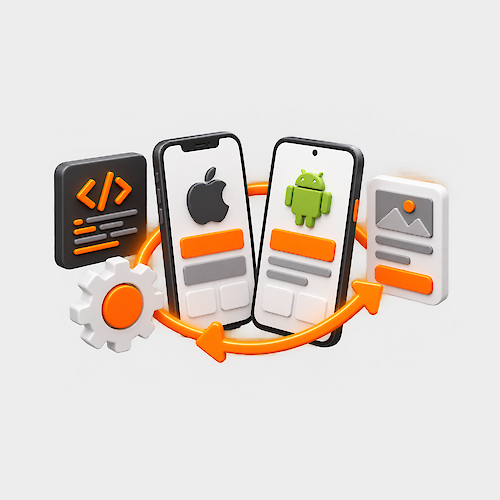
Native app development for iOS and Android
Native development enables the full potential of iOS and Android to be harnessed. It is particularly relevant when platform-specific features, device integration or specific requirements regarding the user experience play a key role.
jambit develops native applications for iOS and Android and supports them every step of the way, from technical architecture and implementation through to release and further development.
Cross-platform app development
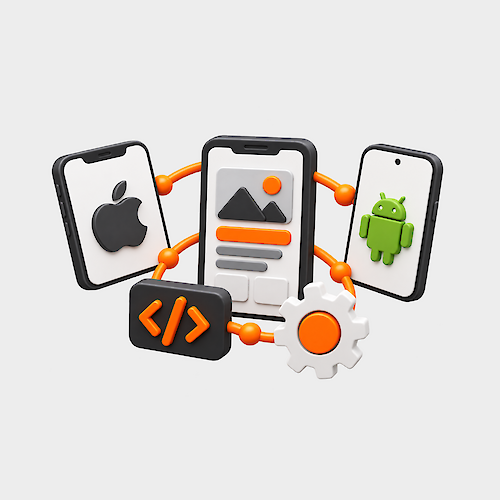
Cross-platform approaches make it possible to develop and reuse parts of the technical infrastructure for both iOS and Android. Whilst this can reduce development and maintenance costs, it must be appropriate to the application’s requirements.
jambit therefore assesses which parts can be usefully implemented across platforms and where platform-specific development offers a better foundation.
Progressive Web Apps
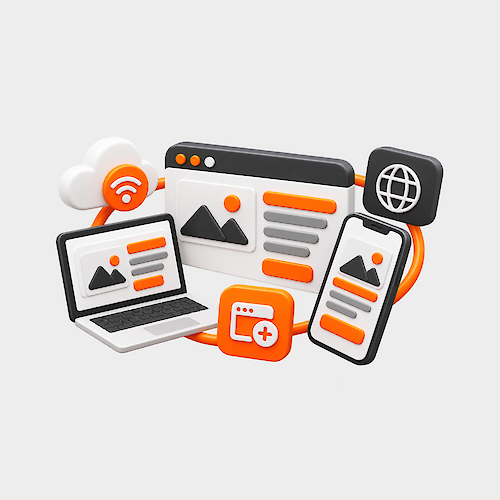
When web and mobile usage are closely intertwined, a Progressive Web App can be an alternative to traditional native applications. It combines web technologies with features that support mobile usage scenarios and can specifically enhance existing web environments.
Whether it’s a native app, a cross-platform app or a Progressive Web App: the technical decision is based on the requirements of the digital product and its long-term development – not on a preferred technology.
From user experience to release and further development
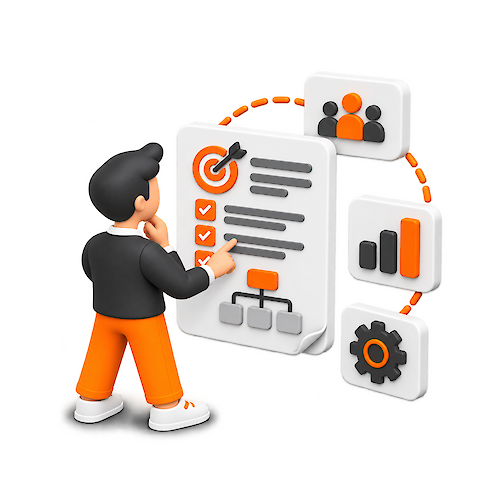
Mobile app development brings together product requirements, user experience and technical implementation. jambit can integrate these perspectives throughout the development process and take responsibility right through to the app going live.
Mobile App Development in Practice
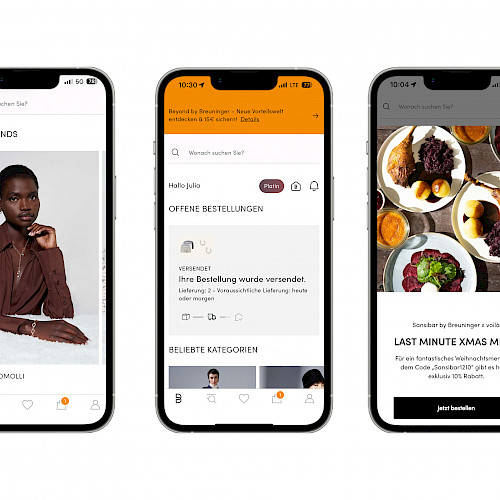
Our projects demonstrate a range of requirements in mobile engineering – from native app development and device integration, through cross-platform migration, to the interaction between mobile clients and back-end systems.


Mobile engineering in conjunction with other services
Mobile app development is often part of a larger software project. Which area of the project takes centre stage depends on the initial situation.
Custom Software Development
When a new mobile application or digital capability needs to be developed to specification.
Find out more about Custom Software Development
Application & Legacy Modernisation
When an existing app needs to be technically updated, migrated or made more easily adaptable for future development.
Application Integration & API Engineering
When the focus is primarily on how the app interacts with back-ends, platforms, data sources or external services.
Find out more about Application Integration & API Engineering
Mobile app development in specific solution contexts
Mobile engineering can form part of a range of digital solutions. Depending on the desired outcome, the following solution areas provide further detail on the specific application context.
Customer Apps & Self-Service Portals
Mobile customer access for digital services, interaction and self-service.
In-Car Software Platforms
Mobile and digital services integrated with vehicles and connected automotive systems.
Connected Products & IoT Platforms
Mobile applications providing access to connected products, devices and digital services.
Classifying mobile app projects together
Not every mobile project begins with a decision on whether to use iOS, Android or a specific framework. jambit works with you to clarify the role the app will play within the digital product or service, how it will fit into the existing system landscape, and which technical approach is best suited to the task.
