
User centered Design
Understand user requirements and translate them into digital products
jambit combines user research, UX/UI design, prototyping and testing with software development. This makes user requirements visible at an early stage, allows product ideas to be validated and ensures that design and technical implementation are considered together from the outset.
User-Centred Design supports both the development of new digital products and the targeted enhancement of existing applications.

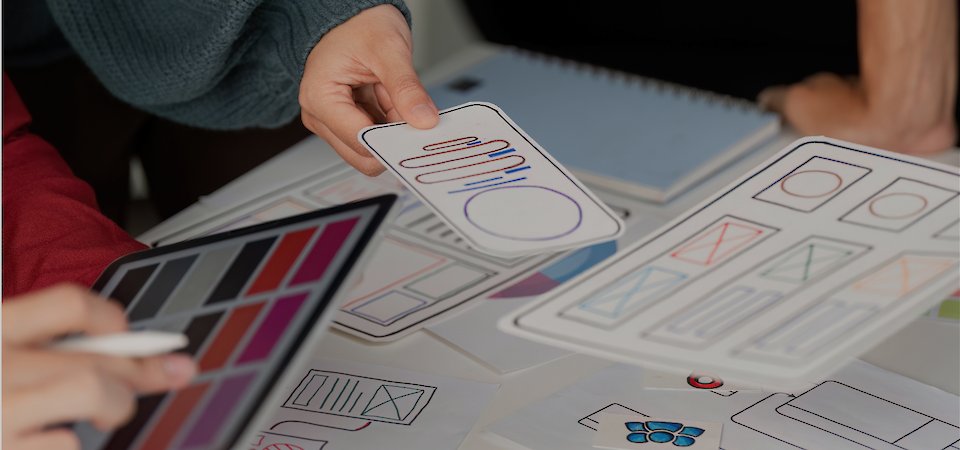
User-centred design provides a solid foundation for product decisions
Digital products are often developed based on assumptions about what users need, how they work or which features actually help them. User-Centred Design makes these assumptions testable.
That is why jambit incorporates user requirements and usage contexts into product development at an early stage. Concepts and features can be explored through prototypes, tested with users and refined based on the feedback gathered.
This makes the user perspective an integral part of decisions about functionality, interaction and design – rather than something considered only at the end of an already developed product.
From understanding users to informed product decisions
User-Centred Design brings together research, concept development, design and validation. The right activities depend on the product’s starting point and the questions that need to be answered within the specific project.
Understand users and their usage context
The starting point is understanding who a digital product is being developed for and the context in which it will be used.
jambit uses user research and user studies to gain a better understanding of requirements, needs and usage contexts. These insights provide a foundation for product decisions and help validate existing assumptions.

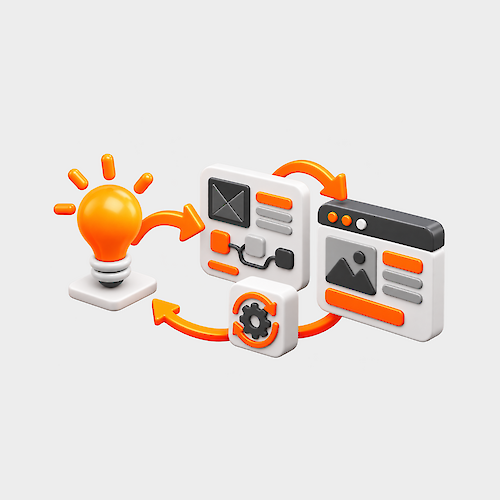
Fleshing out ideas and testing them through prototyping
New product ideas do not need to be fully developed straight away. Design Thinking, Design Sprints and rapid prototyping can be used to structure potential solutions and make them tangible at an early stage.
Low- and high-fidelity prototypes help to visualise interactions and product ideas and to test them with users before they are developed into a complete application.
Designing user experience and user interface
Interaction concepts and user interfaces are developed based on user requirements and product objectives.
jambit designs the user experience and user interface for digital applications, taking into account the information architecture, usability and the specific context of use.
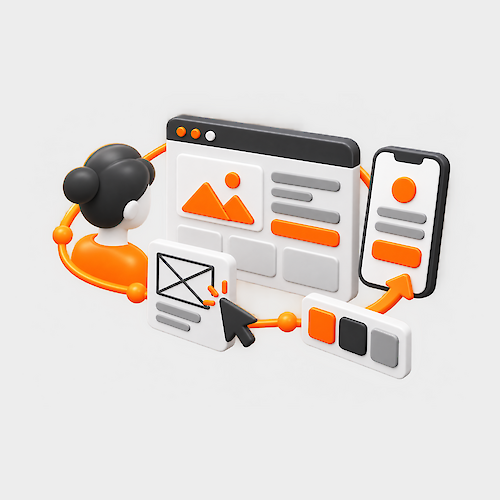

Validate concepts and features with users
Prototypes, features and further developments can be tested with users. Feedback highlights where assumptions hold true and where adjustments are needed.
jambit therefore uses user testing and research both when developing new concepts and when iteratively refining existing products.
Bringing design and software engineering together
For jambit, user experience does not end with a concept or design draft. Digital products must also be technically feasible to implement and capable of being developed further in the long term.
That is why jambit integrates user-centred design with software engineering and product development at an early stage.
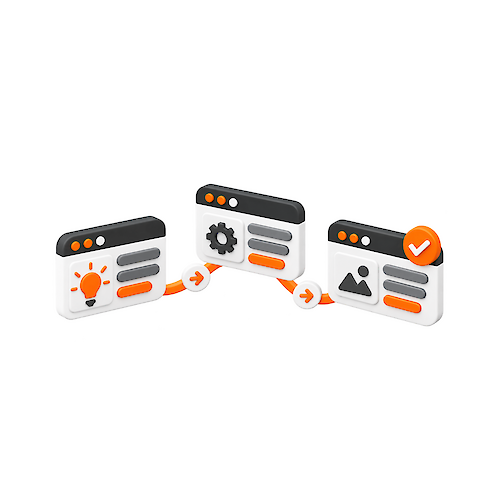

Further develop existing digital products in a targeted manner
User-centred design does not just apply to new products. Existing applications can also be analysed with a view to further developing their usability, interaction and design in a targeted manner.
Analysing User Experience and User Interface
A UI/UX audit enables a structured assessment of an existing application.
jambit analyses user experience and user interface, combines this assessment with user feedback, and derives specific recommendations for improvement. Accessibility can also form part of this assessment.
Testing usage with users
Existing features and interactions can be tested with users. This reveals where concepts work effectively and where adjustments are needed.
jambit uses user testing and user studies to systematically incorporate such insights into design and further product development.
User-centred design in practice
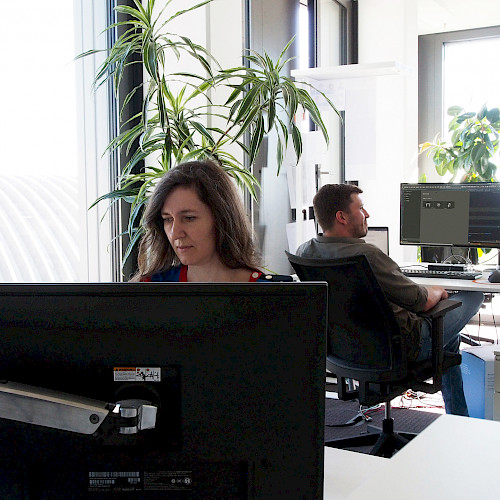
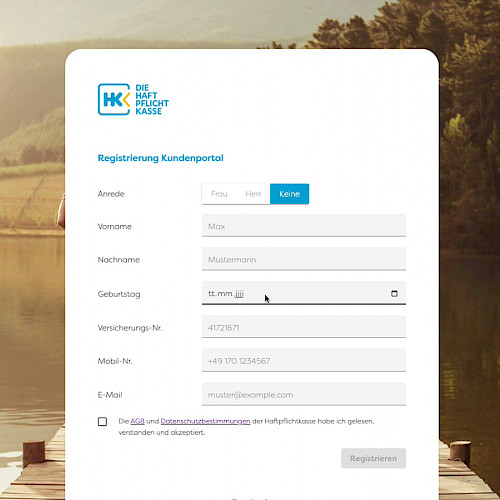
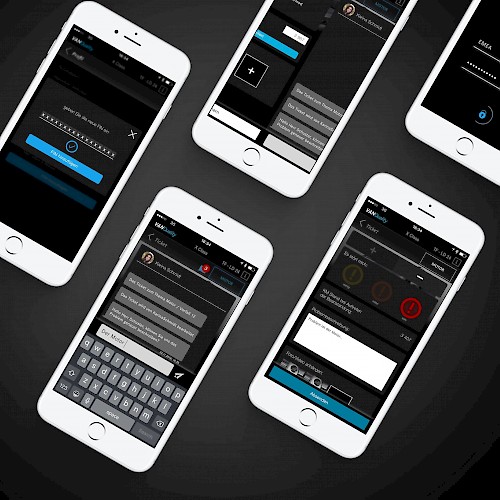
Our projects demonstrate the various roles played by user-centred design – from user research and prototyping, through UX design, to joint implementation with the software development team.
User-centred design in conjunction with other services and engineering expertise
User-centred design is often part of a larger software project. Which responsibilities take centre stage depends on the starting point and the objective of the digital product.
Custom Software Development
When a new digital product or application is being created and user requirements need to be incorporated at an early stage into the vision, design and development.
Find out more about Custom Software Development
Application & Legacy Modernisation
When an existing application is not only to be technically modernised, but its usage, interaction or user interface are also to be specifically enhanced.
Frontend development
This is where UX and UI concepts are technically translated into browser-based applications and user interfaces.
Learn more about frontend development
Mobile app development
This is where user experience, interaction and design are implemented for mobile applications on iOS, Android or cross-platform scenarios.
User-centred design in specific solution contexts
User-centred design can be applied to a variety of digital solutions. This expertise is particularly relevant in situations where users interact directly with digital products, services and business processes.
Customer Apps & Self-Service Portals
Design digital customer access points so that information, functions and self-service options are tailored to the specific usage scenarios.
Business Applications & Workflow Solutions
Tailor digital business applications and workflows to the tasks and usage scenarios of their users.
Digital Service & Ecosystem Platforms
Designing user experiences for digital services and platforms that bring together different functions, offerings and user groups.
Classifying UX projects together
Whether it’s a new digital product, an existing application or a specific UX challenge: jambit works with you to identify which user requirements need to be understood, which questions can be answered through research, prototyping or testing, and how design and technical implementation can work together effectively.
