
Backend Development
Develop backends that reliably bring together business logic, data and services
jambit develops backends for digital applications, products and services. They implement business logic, process data and provide functionality for frontends, apps and other systems.
We align the architecture and technical implementation with the requirements of the application and its existing system landscape – ensuring that backends operate reliably and can evolve over the long term.


The backend provides the logic behind digital applications
The backend handles business rules, processes and data and provides them as functionality for frontends, apps and other components. This means the backend plays a key role in how reliably an application operates and how effectively it can adapt to new requirements.
How this responsibility is implemented technically depends on the specific system: Which business functions belong together? What data needs to be processed? Which components need to access it? And which existing systems need to be taken into account?
That is why jambit develops backends based on the business requirements and the existing software landscape. Architecture and technology are determined by the specific application context.
Derive backend architecture from business requirements
A robust backend architecture translates business requirements into a technical system structure. The key is to organise responsibilities so that functionality, data and dependencies remain transparent and the application can be evolved in a targeted way.
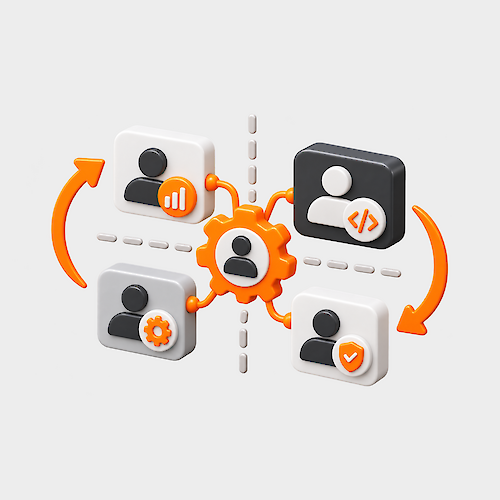
Structure business responsibilities effectively
Business rules, processes and data should be brought together where they belong from a business perspective. Clear responsibilities help implement changes in a targeted way and limit technical dependencies.
That is why jambit derives the backend structure from the application’s business functions and its existing system landscape.
Choose the right architectural approach
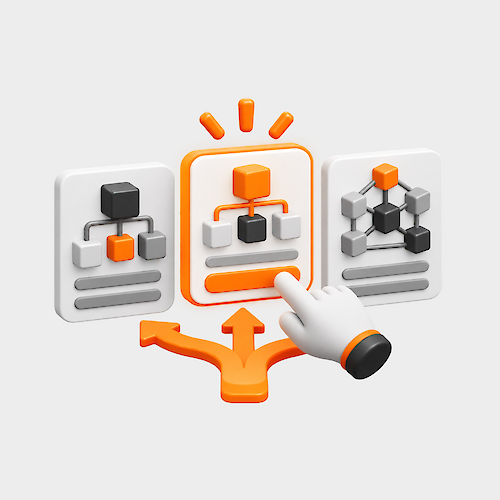
Not every backend requires the same technical structure. A monolithic application, a modular system architecture, individual services or a microservices architecture may be appropriate depending on the specific starting point.
jambit evaluates which approach best fits the business structure, existing dependencies and expected need for change. Microservices are one possible architectural choice – not a goal in themselves.
Keep dependencies and continuous development manageable
Backend systems evolve alongside business processes, digital products and connected applications. The architecture therefore needs to support not only current requirements but also future changes.
That is why jambit considers technical dependencies, extensibility and maintainability from the outset when designing the backend.
Backend engineering throughout the development process
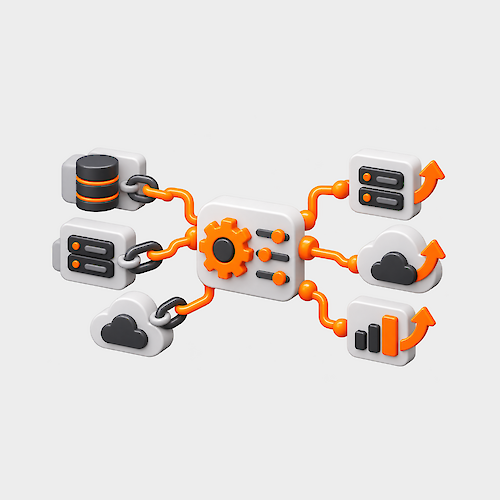
A robust backend architecture needs to be translated into reliable, functional software. To achieve this, jambit brings together business logic, data persistence, interfaces and quality assurance throughout the development process.



Backend Development in Practice
Our projects demonstrate a wide range of backend engineering requirements – from processing complex data and developing platform services to implementing extensive business logic.



Backend Engineering in Combination with Other Services
Backend development is often part of a larger software project. Which service area takes centre stage depends on the specific change required.
Custom Software Development
When a new digital application or specific digital capability needs to be developed and backend engineering forms part of the resulting software system.
Learn more about Custom Software Development
Application & Legacy Modernisation
When an existing backend needs to be technically modernised, restructured or gradually evolved from a legacy architecture.
Application Integration & API Engineering
When the primary challenge is not a single backend application, but how multiple systems, data sources and services work together.
Learn more about Application Integration & API Engineering
Digital Platforms & Cloud
When the focus is on platform architecture, cloud infrastructure, runtime environments, or the technical deployment and operation of digital systems.
Backend Development in Specific Solution Contexts
Backend engineering provides the technical foundation for a wide range of digital solutions. Depending on the target vision, the following solution areas provide further context for specific applications.
Digital Service & Ecosystem Platforms
Backend services provide functionality and data for digital services and connect different components of a platform to create a cohesive, functional system.
Business Applications & Workflow Solutions
Backend systems implement the business logic, data and processes required by digital business applications and workflows.
Connected Product & IoT Platforms
Backend systems process data and provide digital services for connected products, devices and their associated applications.
Assess your backend project together
Whether you are developing a new backend, enhancing an existing system or restructuring the backend architecture, jambit works with you to clarify which business responsibilities the backend needs to handle, which data and functionality it needs to provide, and which technical structure best fits the application and existing system landscape.
